Private Label Windshield Washer Fluid and Radiator Coolant Additive
Add washer fluid concentrate and a radiator coolant additive to your range, with the technical questions settled before the label is printed.
Products in this range
What is private label windshield washer fluid?
Private label windshield washer fluid is a screen-cleaning liquid for a vehicle's washer reservoir, made by a manufacturer and sold under your brand. It comes in two forms: ready-to-use fluid, which is mostly water, and concentrate, which the driver dilutes. For a brand that imports its products, concentrate is usually the more practical form, because you are not paying freight on water.
Vehicle fluids differ from polishes and shampoos in one important way. They go inside a system, a washer circuit or a cooling circuit, instead of onto a surface. A product that looks and smells fine can still be the wrong specification for a climate or an engine. That is why this page spends more time on questions to ask than on features.
SMOOTH DRIVER CO., LTD. develops and formulates automotive care products and manufactures them at its own factory in Changhua County, Taiwan. The company was founded in 2000, has its registered office in Changhua City, Taiwan, and deals with business customers only.
The two vehicle fluids in our catalogue
The Vehicle Fluids category covers fluids for windshield-washer and radiator-cooling systems, with the note that product suitability should be confirmed before use.
| Product | Description | How it is used | Pack |
|---|---|---|---|
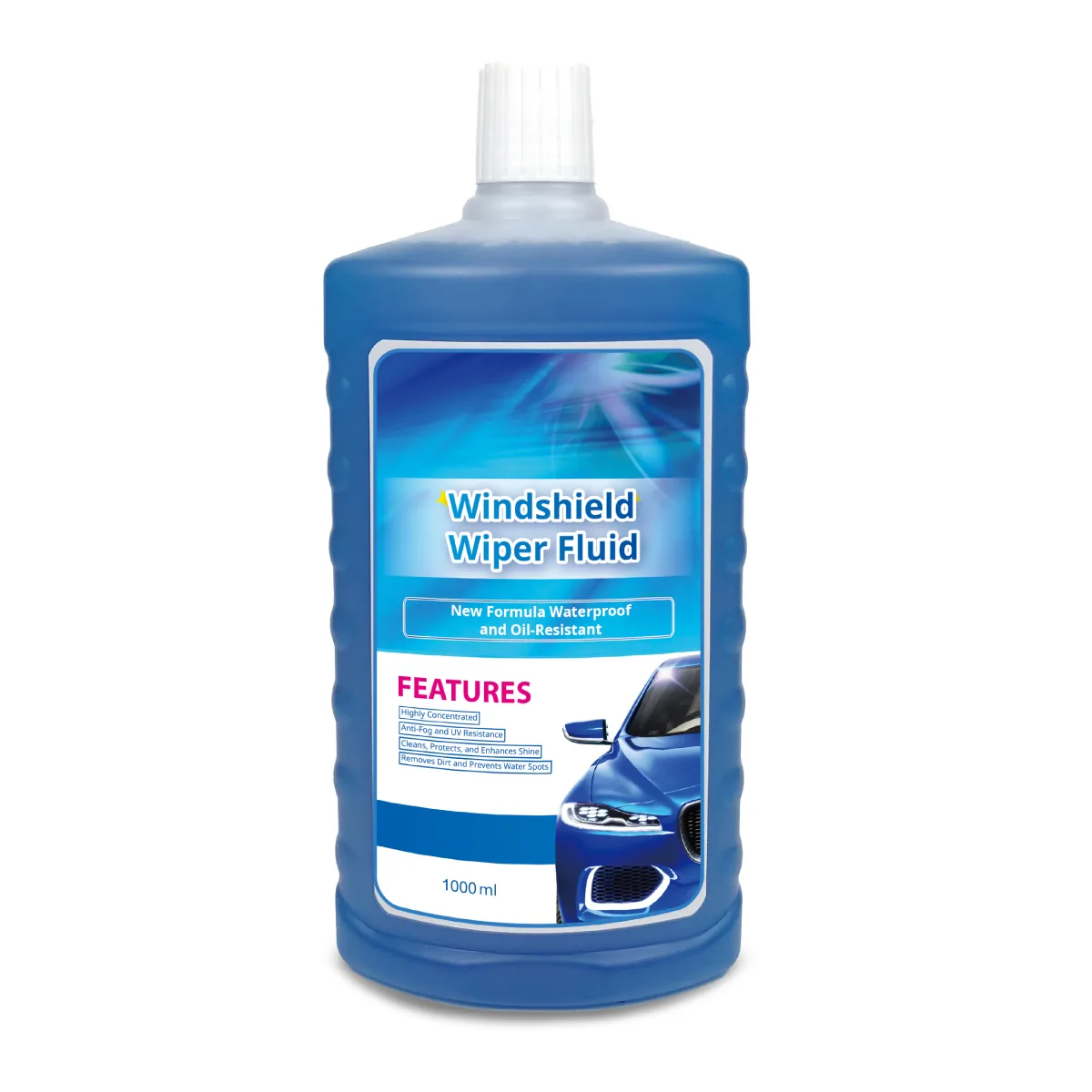
| Windshield Wiper Fluid | A fluid for vehicle windshield-washer systems; a concentrated additive that cleans glass and helps prevent streaks and water marks | Diluted 1:100 with water and added to the washer reservoir | 1000 ml, 12 per carton |
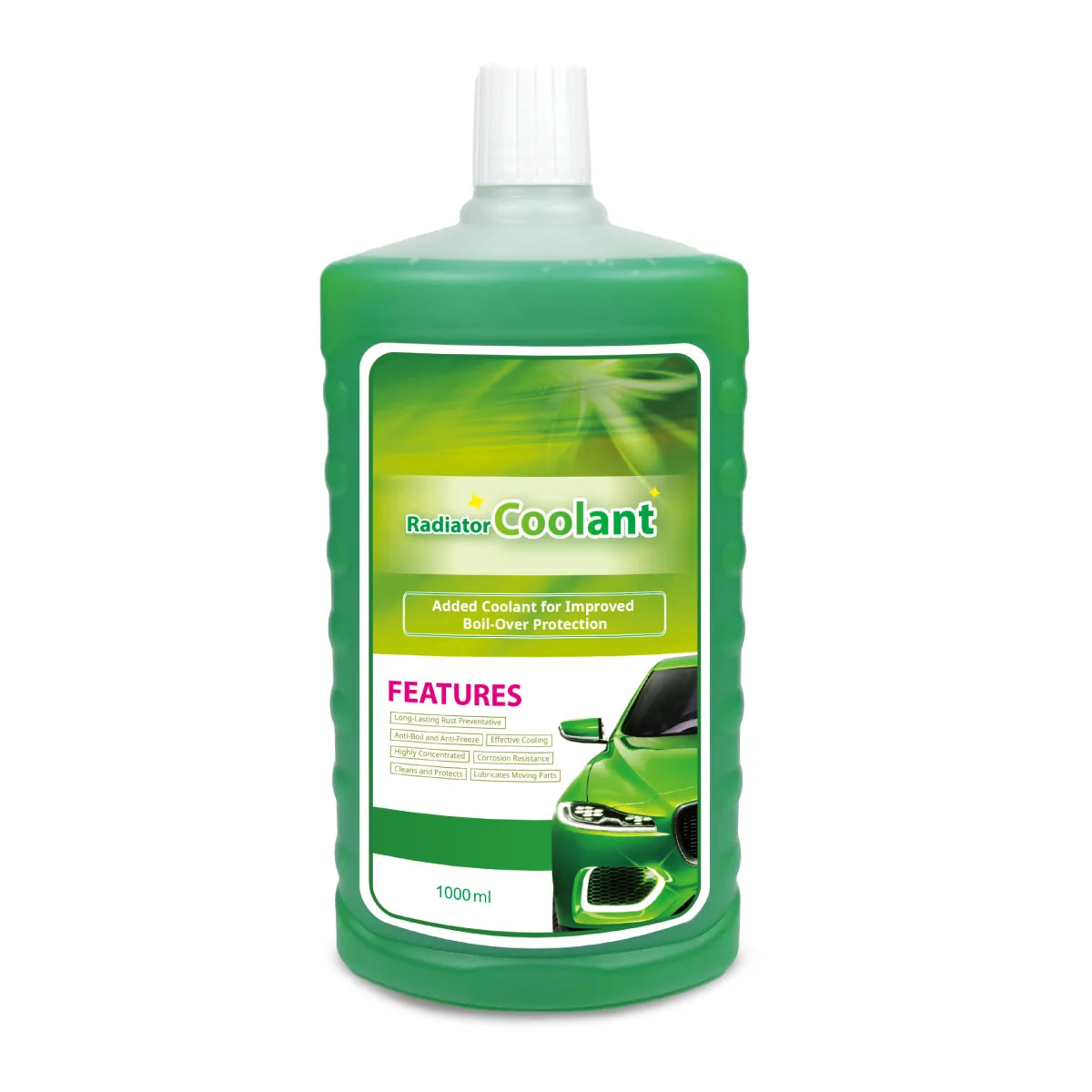
| Radiator Coolant | A radiator coolant product for vehicle cooling systems; a concentrated additive with anti-rust, anti-boil and anti-freeze protection | Old coolant is drained with the engine cold, then 2–4 bottles are added with water | 1000 ml, 12 per carton |
Ways to buy
Our own brands, original packaging. For distributors, workshops and car-wash businesses that want the product as it is.
Private label. Your label on our existing formula and bottle. For larger projects we can also adjust fragrance, colour or concentration, and with fluids colour is often the first thing a brand wants to set.
Custom formula or special bottle. For a different specification or container. A custom formula is produced only after you approve the sample.
See Product Development & Manufacturing for how to compare these arrangements and what to agree on testing and documentation.
Washer fluid: what should you specify?
A washer fluid is a dilute blend of surfactants and, in many formulas, alcohol, designed to lift insects, road film and salt without smearing. Three questions decide the specification.
Summer or winter grade
Summer fluids focus on cleaning: insect residue, dust and tree sap. Winter fluids add alcohol to lower the freezing point so the fluid does not freeze in the reservoir, the lines or on the glass.
Our product description for the washer additive covers cleaning and the prevention of streaks and water marks. It does not state a freezing point. If you sell in a market with frost, tell us the lowest temperature the diluted fluid has to withstand and ask whether the existing formula meets it or a custom formula is needed.
Which alcohol
Winter fluids use methanol, ethanol or other alcohols. Methanol is effective and inexpensive but toxic, and a number of markets restrict or ban it in consumer washer fluid. Ethanol-based fluids are the common alternative. High-alcohol fluids are also flammable, which changes shipping, storage and labelling. Name your market so the right questions get asked early.
Concentrate strength and water quality
A 1:100 concentrate means one litre makes about a hundred litres of fluid. That is a strong value message, but it puts the mixing in the customer's hands:
- Give the ratio in units the customer can measure, such as capfuls per litre.
- Hard tap water can leave deposits and block washer jets, so consider recommending soft or demineralised water.
- Check that the diluted fluid does not foam excessively when sprayed.
Vehicle compatibility
Ask about effects on paint, rubber wiper blades, polycarbonate headlamp lenses and any water-repellent coating on the windshield. Fan-type washer jets and camera or sensor washers are sensitive to residue.
Coolant: what should a buyer understand before branding one?
Engine coolant is a mixture of water, a glycol that lowers the freezing point and raises the boiling point, and corrosion inhibitors that protect the metals in the cooling system. Coolants are classified mainly by their inhibitor technology.
- Inorganic additive technology (IAT): the traditional type, based on silicates and similar inhibitors, with shorter service intervals.
- Organic acid technology (OAT): uses organic acid inhibitors and is designed for longer service life.
- Hybrid types (HOAT and related): combine the two approaches; several vehicle makers specify their own variants.
Three points catch new brands out:
- Colour is not a specification. Dye colour varies by maker and does not reliably identify the inhibitor type.
- Types should not be mixed casually. Combining incompatible inhibitor packages can reduce protection or form deposits.
- Vehicle makers publish their own coolant requirements. Workshops and informed customers will ask which ones a product meets.
Where our product fits
Our Radiator Coolant is described as a concentrated radiator coolant additive with anti-rust, anti-boil and anti-freeze protection that also helps keep the cooling system clean, used at 2–4 bottles with water. The published description does not state the glycol type or content, the inhibitor technology, a freezing or boiling point at a given dose, or any vehicle-maker specification.
Put these questions in your enquiry so the answers can be confirmed for your project:
- What is the base fluid, and what protection does the stated dose give in a typical cooling system?
- Which inhibitor technology does it use, and which coolant types can it be combined with?
- Which engine and radiator materials has it been evaluated on?
- What technical and safety documents can be supplied for your market?
Do not print freeze-protection temperatures, service intervals or compatibility statements on your label until they are confirmed in writing.
Packaging and labelling for fluids
- Bottle and closure. Fluids are poured into narrow filler necks. Ask about the neck and cap of the existing 1000 ml bottle and whether a pouring spout or measuring cap is available.
- Colour coding. Distinct dye colours for washer fluid and coolant help prevent a customer pouring one into the other's reservoir.
- Safety features. Depending on the ingredients, some markets require child-resistant closures, tactile warnings or bittering agents for glycol-based products. Tell us what applies in your market.
- Dosing instructions. For concentrates, the dilution table is the most-read part of the label. Draft it early.
- Label printing. We print labels in your language from text you provide or approve, and can help with label design, carton marks and barcodes.
What to check on samples
- Washer fluid: cleaning of insect residue and road film at the label dilution, smearing under wipers, foaming, residue around the jets, and behaviour at the lowest temperature you need
- Coolant additive: clarity and absence of sediment when mixed with your local water, and any separation after standing. Performance claims need laboratory evaluation; decide with us who arranges it.
- Pack: leaks after transport, ease of pouring, legibility of the dosing table
Process and terms
- Enquiry. Send your requirements through the request for quotation page. Enquiries are answered within one working day.
- Samples. Terms are in the FAQ below.
- Quotation. Quoted in USD, normally FOB Taiwan port, with CIF to your port on request. Final terms are confirmed in the quotation.
- Approval. Label and packaging for private label; the sample for a custom formula.
- Payment. T/T: 30% deposit with the order and the 70% balance before shipment. Open-account terms are not offered for first orders.
Published minimums and lead times:
- Our own brands in original packaging: minimum 1 carton per product and 50 cartons per order, and different products can be mixed in one order; shipped 7–15 working days after the deposit is received.
- Private label, meaning our existing formula and bottle with your label: from 500 units per product; 25–35 working days after label and packaging approval.
- Custom formula or special bottle: from 500 units per product; custom formula 35–45 working days after sample approval.
Our buyer's guide to product development services explains how to assign testing and documentation responsibilities, which matters more for fluids than for any surface-care product.
Send us your fluid specification
Request a quote with your quantities, market and the technical points above, or contact our team if you want to discuss the specification first.
What to include in your quote request
Which fluid you want and the quantity
Our brand, your label, or a custom formula
Destination country and port
Target delivery date
Climate: the lowest temperature the washer fluid or coolant must withstand
Technical points to confirm: alcohol type, glycol type, inhibitor technology, vehicle-maker requirements
Documents and label elements your market requires
Frequently asked questions
Does your washer fluid protect against freezing?
The published description of the Windshield Wiper Fluid covers cleaning glass and helping prevent streaks and water marks at a 1:100 dilution; it does not state a freezing point. If you sell in a cold climate, tell us the lowest temperature the diluted fluid must tolerate. We will tell you whether the existing formula is suitable or whether a winter-grade product would be a custom formula.
What type of coolant is your Radiator Coolant?
It is described as a concentrated radiator coolant additive with anti-rust, anti-boil and anti-freeze protection, added at 2–4 bottles with water. The published description does not state the glycol base or the inhibitor technology, such as IAT, OAT or a hybrid. Ask for those details in your enquiry, together with the vehicle types you want the label to cover, before you plan any claims.
Can the colour of the washer fluid or coolant be changed?
Yes, for private-label orders we can adjust fragrance, colour and concentration, and this is offered for larger projects. With fluids, choose colours that help the customer tell the two products apart. For coolant, remember that drivers often assume colour identifies the coolant type, so make sure your label states the type in words.
Can I get samples of the vehicle fluids?
Yes. Samples of existing products are free of charge, 1–2 bottles per product, and the buyer pays the international courier cost; your own courier account can be used. Custom-formula samples are charged and the fee is credited against the first order. If you request a winter-grade washer fluid with high alcohol content, note that flammable products cannot be sent by ordinary courier.
Why sell washer fluid as a concentrate instead of ready-to-use?
A concentrate cuts freight and storage cost per litre of usable fluid, because the customer adds the water. At 1:100, a one-litre bottle prepares about a hundred litres. The trade-off is that customers must measure and mix it, so the label needs simple dosing instructions. Ready-to-use fluid is easier for the driver but far heavier to ship from overseas.
Can you supply safety data sheets and technical documents?
Our website does not list the documents available for each product, so we cannot confirm them on this page. Fluids usually need more documentation than surface-care products. List the documents your market and your customers require in your enquiry, and ask us to confirm which can be supplied, in which language and at which stage of the project.
Does the coolant meet vehicle manufacturer specifications?
Our published product information does not name any vehicle-maker specification, and you should not assume one. If your customers are workshops or fleets that need a stated specification, name it in your enquiry. We will tell you whether the existing product fits, whether a custom formula could be developed toward it, and what evaluation would be needed to support the claim.
Ready to start your private label line?
Tell us the products, quantities and destination, and we will reply within one working day.